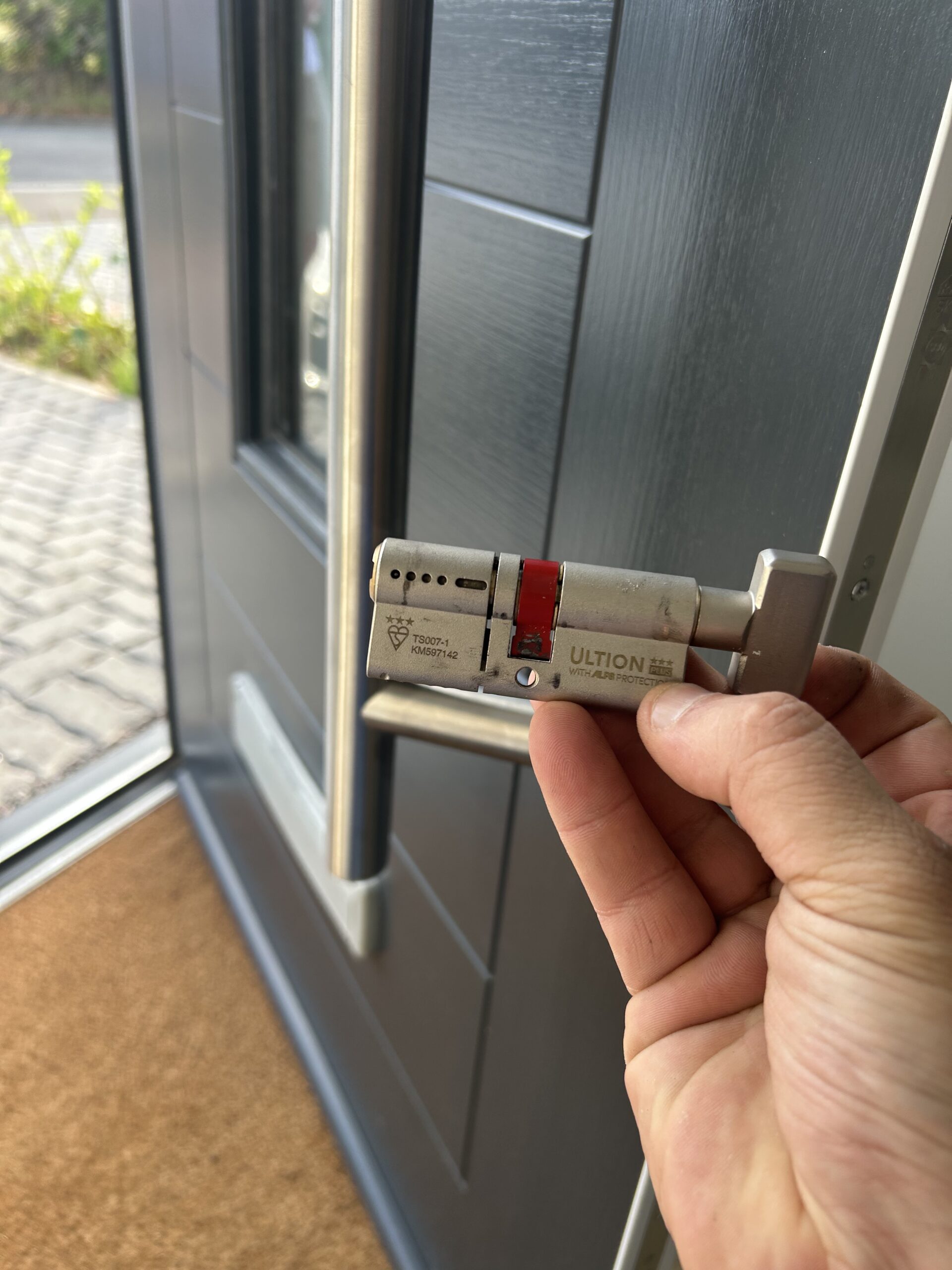
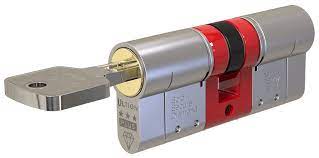
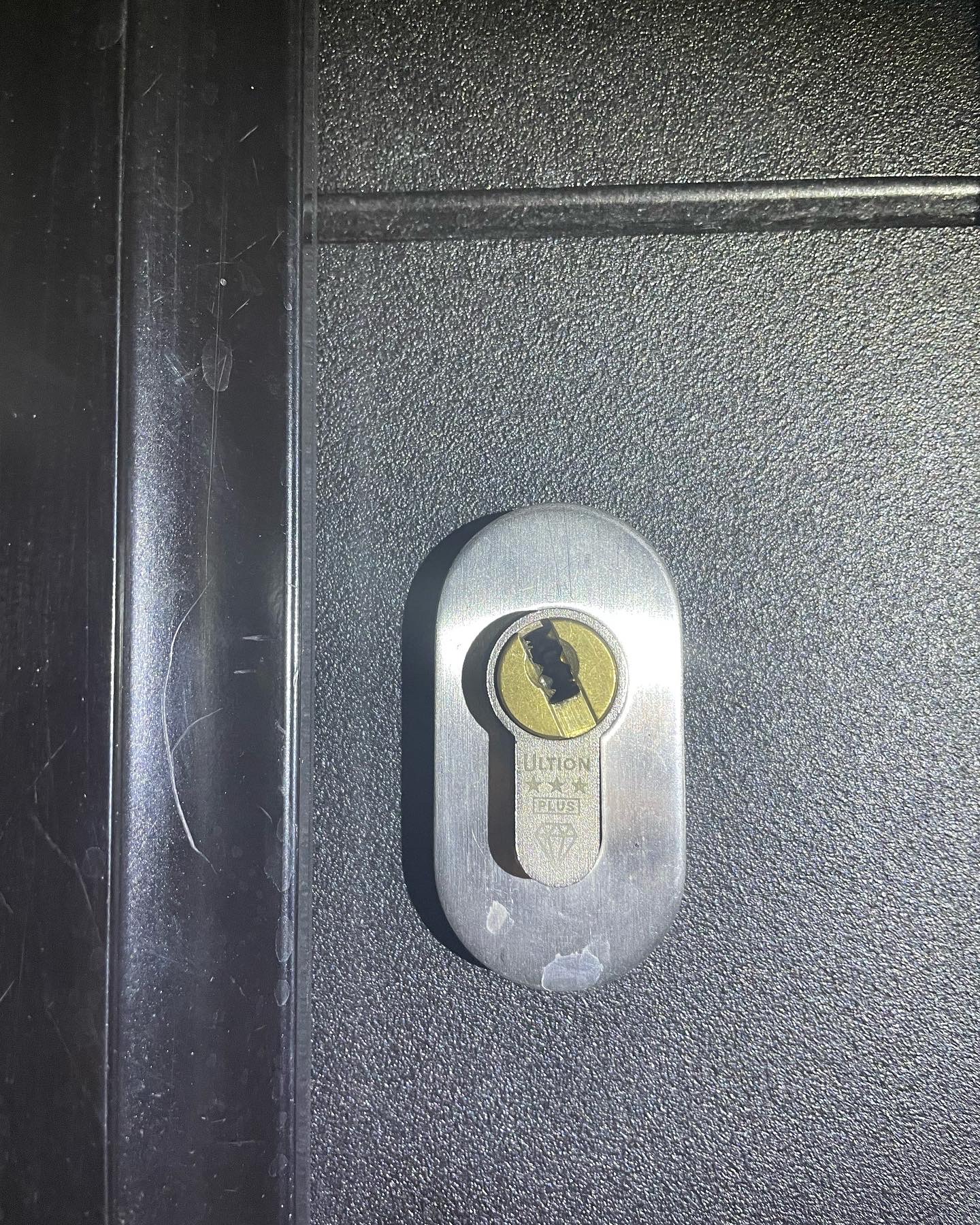
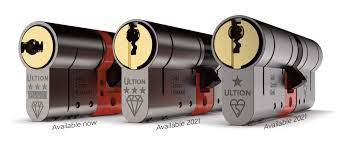
If you're standing outside your home with an Ultion lock that won't open, the important thing is not to assume that the cylinder itself has failed. After more than 20 years working as a locksmith, I've attended plenty of doors where the customer understandably thought the lock was broken, but the actual problem was elsewhere in the door.
The symptoms matter. A key that won't go fully into the cylinder is a different problem from a key that goes in but won't turn. A key that turns normally but doesn't unlock the door points us in another direction again.
Before forcing anything, there are a few sensible checks you can make.
Need help now? If you're locked out with an Ultion lock, call Andy on 07939 030543. I use non-destructive entry methods wherever practical and will assess what's actually preventing the door from opening before recommending repair or replacement.
First, What Is Actually Happening With Your Ultion Lock?
When someone calls me and says, "My Ultion lock won't open", one of the first things I want to know is exactly what the key is doing.
There are several common situations:
- The key won't go fully into the lock.
- The key goes in but won't turn.
- The key turns slightly and then stops.
- The key turns, but the door remains locked.
- The handle feels unusually loose or stiff.
- The door unlocks when open but becomes difficult when closed.
- The key has been lost and you're simply locked outside.
Those symptoms don't all have the same cause, so changing the cylinder isn't automatically the answer.
My Ultion Key Goes In but Won't Turn
Don't keep applying more force to the key.
If a key becomes increasingly difficult to turn, forcing it can turn one problem into two. A badly stressed key can bend or break, and excessive force can also make diagnosis more difficult.
Check that you're using the correct key and, if you have another genuine working key available, see whether the problem is the same with that key.
Also pay attention to the door itself. On a uPVC or composite door, pressure between the door and frame can affect the locking system. If the problem has gradually become worse rather than appearing suddenly, alignment or another part of the multipoint mechanism may need checking.
If the key still refuses to operate normally, that's the point where I'd recommend having the lock and door inspected rather than repeatedly forcing it.
The Key Turns but My Door Still Won't Open
This is one of the situations where people often assume their Ultion cylinder has failed.
Not necessarily.
On many uPVC and composite doors, the cylinder is only one part of a much larger multipoint locking system. Turning the key ultimately operates other components inside the door.
A fault elsewhere in that system can therefore leave you with a key that appears to move but a door that still won't unlock.
Depending on the door and the symptoms, I may need to check the cylinder, central gearbox, handles, spindle, locking mechanism and the alignment of the door.
This is why I prefer to diagnose the fault before replacing parts.
If you're experiencing this type of problem, my uPVC door repair service covers failed and troublesome multipoint door locking systems.
The Door Locks Normally When Open but Not When Closed
This is a very useful clue.
If the locking mechanism operates reasonably well while the door is open but becomes stiff or refuses to lock properly when the door is closed, the cylinder may not be the main problem.
The door and locking points may not be lining up correctly with the keeps in the frame.
Doors can move over time. Hinges wear, adjustments change and temperature can affect some doors. What feels like a "bad lock" to the homeowner can sometimes be a door-alignment issue.
I wouldn't replace a good Ultion cylinder simply because another part of the door needs attention.
I've Lost My Ultion Key and I'm Locked Out
This is different from a mechanical fault.
If the lock was working normally before the key was lost, the job is primarily about gaining authorised entry rather than diagnosing a failed door.
A high-security cylinder is designed to resist common methods of attack, so this isn't something I'd recommend attacking with DIY tools or following random forced-entry videos online.
As a locksmith, my approach is to assess the particular door and use the most appropriate professional entry method available, with non-destructive entry preferred wherever practical.
Once you're inside, we can then discuss whether the existing lock can remain or whether changing it would be sensible because the missing key could potentially be found or identified by somebody else.
What Is Ultion LockDown Mode?
This is an area where there is quite a lot of confusing information online.
Ultion describes LockDown Mode as an additional security feature inside its cylinders that responds when signs of forced entry are detected. Current Ultion 3 and 3 PLUS information describes an additional hidden locking element protected within a molybdenum core.
It's designed as an anti-attack security feature — not something a homeowner should deliberately try to activate because their key isn't working.
If an Ultion cylinder has been physically attacked or damaged, tell the locksmith what happened rather than continuing to force it.
Can a Locksmith Open an Ultion Lock?
Yes, but there isn't one universal technique for every Ultion lockout.
The correct approach depends on the cylinder, door, locking mechanism and why the door isn't opening in the first place.
That's an important distinction.
If you've simply shut the door with the keys inside, that's one situation. If the key is spinning, that's another. A failed multipoint mechanism behind an Ultion cylinder can require a completely different approach.
My priority is to establish the fault first and use non-destructive entry wherever practical.
No genuine locksmith should need to pretend that every locked door can always be opened without damage. Sometimes the condition of the lock or mechanism means a different approach is necessary. If that's the case, I explain it before proceeding.
Is an Ultion Lock Difficult to Pick?
Ultion cylinders are high-security products designed to resist several common forms of attack. The current Ultion 3 Star PLUS is marketed with anti-pick, anti-bump, anti-drill and anti-snap protection and carries TS007 3-star accreditation.
For a homeowner who's locked out, however, that doesn't mean you need to understand how those security features are defeated.
It means it's generally better to call somebody with the correct locksmith equipment and experience rather than damaging an expensive cylinder, handle or door trying to get back inside.
Should I Replace My Ultion Lock After a Lockout?
Not automatically.
If you've simply left your keys inside and the cylinder is operating correctly, there may be no reason to replace it.
I would consider changing or reviewing the lock where:
- keys have been lost somewhere they could be linked to your address;
- keys have been stolen;
- the cylinder has been physically damaged;
- the lock has become unreliable;
- you've recently moved into the property and don't know who holds copies;
- you want to review the security of the other external doors.
If you're considering an upgrade rather than dealing with a lockout, see my high-security lock upgrade service.
High-security lock upgrade service
What Does TS007 3-Star Mean on an Ultion Lock?
TS007 is a security standard used for door cylinders and associated hardware.
Ultion's current 3 Star PLUS cylinder carries a TS007 3-star rating, alongside other security accreditations advertised by the manufacturer.
For homeowners, the important point is that a 3-star cylinder is intended to provide increased resistance to recognised methods of cylinder attack compared with a basic Euro-profile cylinder.
Don't assume that fitting a particular cylinder automatically satisfies every home-insurance policy, though. Insurance requirements vary, so check your own policy if it specifies a particular lock or standard.
Can I Have Several Ultion Locks Working From the Same Key?
Yes, suitable Ultion cylinders can be supplied in a keyed-alike arrangement.
That means, for example, your front and back doors can potentially operate from the same key rather than carrying separate keys for each lock. Ultion itself currently promotes single-key operation across multiple compatible locks.
That's different from a traditional master-key system used in some commercial buildings.
If you're changing several locks at the same time, it's worth discussing keyed-alike options before ordering the cylinders.
Should I Spray WD-40 Into an Ultion Lock?
I wouldn't make general-purpose WD-40 my first choice for routine cylinder maintenance.
Use a lubricant intended for the lock and follow the manufacturer's maintenance guidance. Ultion currently sells its own lock lubricant and advises periodic application as part of its maintenance guidance.
More importantly, lubrication isn't a cure for every stiff lock.
If the stiffness is being caused by door alignment, a worn mechanism or another mechanical fault, repeatedly spraying lubricant into the cylinder doesn't address the underlying problem.
When Should I Stop Trying and Call a Locksmith?
I'd stop if the key is bending, the cylinder feels unusually stiff, the key turns without producing the expected movement, the handle has suddenly changed, or you're having to use excessive force.
Those are signs that further DIY attempts could make the repair more expensive.
When I attend, I want to know:
What happened immediately before the problem?
Did the door work normally yesterday? Has it been getting gradually stiffer? Did somebody attempt to force the lock? Has the key been lost? Does the mechanism work with the door open?
Those details are often far more useful than simply saying "the lock is broken".
Ultion Lock Problems — Frequently Asked Questions
Can you open an Ultion lock without damaging it?
Non-destructive entry is my preferred approach wherever practical, but it depends on why the door is locked and the condition of the cylinder and locking mechanism. I wouldn't promise damage-free entry before assessing the actual fault.
Why does my Ultion key turn but the door won't open?
The cylinder may not be the only component involved. On uPVC and composite doors, the multipoint mechanism, gearbox, handles or other components can cause similar symptoms.
Why is my Ultion lock suddenly stiff?
Possible causes include the key, cylinder, door alignment or locking mechanism. If it operates differently when the door is open compared with closed, that is particularly useful information for diagnosis.
Do I need a new Ultion cylinder if I'm locked out?
Not necessarily. If the lock is working correctly and you've simply left your keys inside, replacement may not be required.
Should I change an Ultion lock after losing my keys?
It depends on the circumstances. If the keys could be linked to your property or have been stolen, changing the cylinder is worth considering.
Do you cut replacement Ultion keys?
My service is focused on locksmith entry, lock repairs and lock changes rather than operating a retail key-cutting service. If your issue is a lost or additional Ultion key rather than a lockout or faulty door, the appropriate replacement-key route should be used.
Need Help With an Ultion Lock?
If your Ultion lock won't turn, the door won't open or you're locked outside, call me and explain exactly what the key and handle are doing.
I'm Andy from Emergency Local Locksmith. I provide mobile locksmith services across Harlow and surrounding areas of Essex and Hertfordshire, covering emergency lockouts, uPVC and composite door problems, lock changes and security upgrades.
Call Andy: 07939 030543
For a non-urgent fault, you can also send clear photos of the door, handle and lock through WhatsApp.
Written by Andy — Emergency Local Locksmith · 20+ years locksmith experience